Uncle Al
Survivor
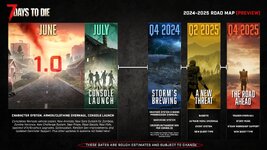
I don't know which version you bought, but the one I bought didn't have dates on it. Sure, they put some dates on the roadmap, and have (unwisely) given dates a couple of times, but that's not 'selling the game with dates'.That all sounds reasonable until you remember that they sold the game with dates. How'd they come up with dates IF it's only done when it's done, and there's no way to know how long these things will take? If their personal credo is that it doesn't go out until it's ready...what the ■■■■ happened with 2.5?
Timely honest Communication would be the grease between these friction points, but, "we" really don't even get THAT.
Y'all keep asking for dissenters to be reasonable without making any concessions yourselves...good grief.
How do you do estimates when you know the actual work required might vary a lot from your assumptions? You accept your estimates aren't going to be particularly accurate and will almost certainly change. Which is pretty much exactly what TFP did when sticking 'these dates are indicative and might change a lot' on the roadmap.
There's an unfortunate tradeoff in software development where effort you put into keeping people informed how you're doing slows down how much progress you actually make. There is a sad history of projects where everyone and their dog were kept informed of absolutely everything at all times, while no real value was ever delivered.
If you're really interested:
A lot of what the agile development methodology (which TFP appear to use) tries to do is abandon the traditional project culture of constant updates and detailed status reports in order to gain productivity. That's often doesn't sit well with Project Sponsors/Senior Responsible Owners, who are the people who effectively paid for development (well...it came out of their budget). They often require a lot of education that if they want the productivity gains of agile, they have to give up the (often false) feeling of security that precise milestones and release dates give.
None of us are sponsors or owners of 7DTD development. I'm actually surprised we get as much info as we do, but then again I'm probably more familiar with agile software development than the average gamer. Admittedly none of my knowledge relates to game development, but I have every reason to believe game development is worse than regular commercial software.
I saw a rather good conference speech by Chris Bourassa (Red Hook Studios -they made Darkest Dungeon) where he pointed out that game development is twice as hard as regular software development because even when you meet all your requirements, you can still find the gameplay isn't good. That means that estimates are even hazier in game development than commercial development, and they're hazy at best in commercial.
I'm no apologist for TFP, and there are undoubtedly things they could do better. That said, many of the expectations I see voiced fairly regularly on the boards are completely unreasonable and show a total unfamiliarity with how software development actually happens.